Club Champion
1364 verified teaching moments with direct channel credit and official-source links.
 Know how shaft lean removes wedge bounce
 Separate putter-head choice from length fit
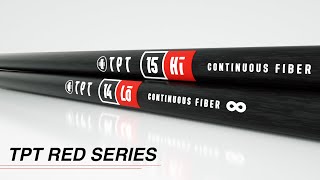 Match lower shaft-series numbers to stiffer builds
 Consider symmetrical ball markings as an alignment aid
 Evaluate distance irons beyond carry yardage
 Fit a putter for consistency, not perfection
 Recheck putter delivery after changing grip style
 Change ground force before wrist mechanics
 Recognize why this model adds half a degree of loft
 Check shaft lean when putts launch downward
 Fit iron spin with head geometry, not loft alone
 Understand how nerves speed up your swing tempo
 Compare rollout gains from lower spin and land angle
 Try a wide grip to level unbalanced shoulders
 Out-to-in path leaves the face open
 Lengthen an adjustable junior putter as the child grows
 Read a right-starting ball flight from path and face angle
 Delay the torso turn, then move toward the target
 Use angle of descent to spin the ball back and stop it
 Move swing weight and total weight with head and grip
 Judge strong-lofted irons by delivered launch
 Driver weight: forward lowers spin, back adds forgiveness
 Judge wedges by repeatable launch as well as spin
- Calibrate felt aim against measured aim
- Understand how moving left steepens the attack angle
 Identify why an eight-foot putt missed
 Use the same fitted golf ball consistently
 Use a mid-spin ball as a neutral fitting baseline
- Avoid chasing a lower-lofted driver
 Start an improvement process when the season ends
 Compare shaft droop under matched test conditions
 Check partial-wedge spin before assuming a ball's category
 Keep grooves under the ball on open-face strikes
 Value extra wedge spin most on partial shots
- Train start line with gates or chalk each week
 Adjust lie angle when shortening a club
 Cap drills at 25% of your putting practice
 Balance iron speed with usable spin
 Slower swingers: club speed gains can beat ball speed loss
 Ruler drill for short-putt face control
- Fit a radial face to an upward putting stroke
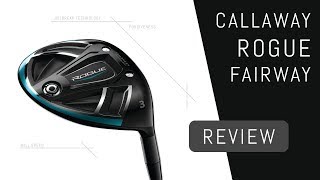 Consider the Sub-Zero head for a little less spin
 Use shaft-to-toe distance to control putter rotation
- Check the golf ball before blaming the club
 Reduce excessive face rotation to remove timing
 Reveal more bounce for a higher chip
 Make the swing change before the equipment change
 Chip with about four degrees down, low point just ahead
 Pick Srixon for more spin and a softer flight
 Order modular irons to the correct spec up front
- Use wrist hinge for speed, wrist rotation for face
 Consider P UDI for a flat, penetrating flight
- Match putter loft/face tech to angle of attack
 Add head weight behind a stable strike
- Deliver a driving iron down from the inside
 Match ball spin to your swing: low-spin for over-spinners
 Blind a shaft test to reduce expectation bias
 Don't club down and swing easy into the wind
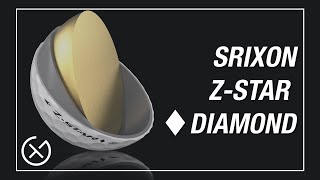 Compare golf balls by wedges and irons, not just driver
- Make practice 20 balls with full intent, not volume
 Prioritize dry-to-wet consistency in wedge tests
 Measure swing weight before combining components
 Use strike feedback to locate mishits
- Pair strong-lofted, fast irons with a spin-preserving ball
- Understand how soft golf balls jump off irons with low spin
 Consider a 13.5-degree fairway wood for 5-wood-like launch
 Notice how one player compensated for low loft
 Match wedge CG location to loft
- Tell your wedge fitter your usual turf conditions
 Use enough bounce to keep wedge strikes low
 Move wedge mass toward high-toe strikes
- Test clubs in a fitting instead of buying stock
 Sequence the downswing by relaxing, then rotating
- Reassess wedges around Titleist's 75-round groove mark
- Match the iron model to the desired shot shape
 Match wedge sole shape to square and open shots
- Test a putter grip with the intended head
 Expect low-face strikes to add spin
- Audit toe-line aim with an alignment stick
 Punch out of trees for position, not the green
 Set the wedge toe down near the green
 Expect angle-of-attack readings to vary by point
 Treat human golf-ball tests as day-specific
 Why long irons magnify face-to-path errors
 Expect delivered loft to make stamped bounce misleading
- Include the golf ball in a fitting
 Take one more club and swing softer in wind
 Understand how a loft sleeve lowers delivered loft
 Weaken an iron loft to close a large gap
- Do the breathing while your partner plays
 Reported driver weighting curbs a high-right miss
- Blame ball choice, not just loft, for knuckleball irons
 Tune loft and lie independently
 Fit for shot windows, not better numbers alone
- Judge iron-shaft timing by start-line consistency
- Aim for a putter launch of one to one and a half
 Consider a driving iron on a tight sub-400-yard par 4
 Tune an adjustable hybrid after on-course testing
 Sprint drill: five non-stop swings to build lag
 Weight left, short backswing, accelerate to pop it up