Club Champion
1364 verified teaching moments with direct channel credit and official-source links.
 Lower fairway-wood CG for launch and speed
 Clean wedge grooves and faces to keep spin
 Match putter rotation to the player's delivery
 Match iron rotation to the player's flight
 Separate putter-face error from setup alignment
 Build a swing change with slow-motion chunking reps
 Manage peak height, not spin, into the wind
 Hold shaft and lie constant when testing irons
 Experiment with lower-lofted wedges for medium bunker shots
 Strengthen loft to add ball speed and cut spin
 Favor consistency over slightly better smash numbers
 Match putter head weight to your stroke tempo
 Judge driver efficiency by yards per mph of clubhead speed
 Check both launch and spin variation in wedge tests
 Play the ball back to shift your path out-to-in
 Measure putter path and closure instead of eyeballing
 Fit this driver before choosing its loft
- Wedge ball-speed retention makes gapping easier
 Fit lie angles to the job of each iron
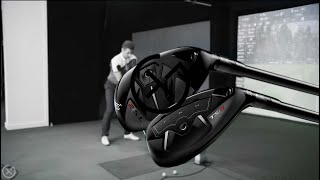 How a wider head raises launch despite lower loft
- Check contact before direction in a shaft test
 Fit the club so your swing does not compensate
 Avoid a back ball position when trying to lift a wedge shot
- Define the performance trait before choosing a club
 Use undercut-cavity irons for long-iron help
 Shorter can keep ball speed
 Treat this off-the-deck launch window as one example
 Request a shorter putter length as a fitting starting point
 Keep hands from sitting low; align shaft to forearms
 Specialize your pitching wedge for partial shots
 Remember a lighter grip raises swing weight
 Judge spin by its consistency, not the number
 Don't de-sell the short chip, trust it and finish
 Higher torque gives a softer, more loading shaft feel
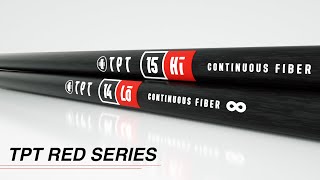 Pick a tip-stiff shaft for smooth, late releasers
 Judge a swing change by the change, not immediate shots
 Step, plant, and go in a speed drill
 Use early fitting stages to learn preferences
 Read shaft profiles section by section
 Compare wedge grind options before choosing a set
 Hold delivery constant when testing golf balls
 Understand static vs dynamic lie angle
 Putt with your thumbs off the grip to stop steering
 Protect scoring-zone gaps in a faster iron set
- Check whether a head offers useful CG tuning
 Expect the biggest ball differences on wedges and irons
 Optimize a fitted driver before replacing it
- Fit the top of the bag around miss carry
 Blend iron speed and scoring-club precision
 Stretch the band high and wide through the backswing
 Compare dynamic and static loft for shaft lean
 Treat very low-spin carry with caution
 Don't trust a shaft's spin label to predict spin
 Fit your ball to the irons and wedges, not the driver
 Play a soft-cover ball, not a distance ball, for spin
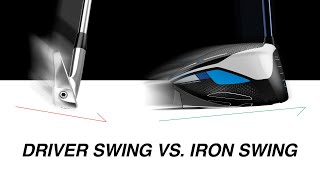 Diagnose a shallow iron low point at the ball
 Cavity-back wedge sole bounces instead of digging
 Replace driver and three-wood with one mini driver
 Move the ball back for a flatter, driving-iron flight
- Change your ball to shift spin by ~1,000 RPM
 Avoid a light-and-stiff shaft profile
- Compare how putter stability exposed swing manipulation
 Tune fairway-wood loft to bridge flight and speed
 Use the mini driver speed pocket for low-face strikes
 Recheck dynamic lie as the swing changes
 Treat swing weight as player-specific
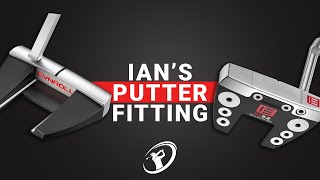 Recheck loft and lie after changing putter style
 Avoid early turf entry on soft wedge lies
 Choose a fairway wood by its target distance
- Stand the shaft up, shallow it, then rotate
 Watch shaft lean to explain putter strike height
 Pay for a premium ball only if your contact is solid
 Strike wedges low in the middle of the face
 Use the loft sleeve to tune hybrid loft, lie, and face angle
 Pick the more forgiving driver when best shots are equal
 Explain low-face strikes with delivery data
- Blend fitting data with feel and confidence
- Feel a little draw to stop cutting across bunker shots
 Hood the clubface to hit a low draw
 Use parallel tip length to dial exact flex
 Fill the long-iron apex dip with a higher-launch iron
 One-handed trail-hand drill to isolate the putting stroke
- Compare head shapes by preferred look
- Into the wind, expect more curve on the ball
 Test whether shaft feel improves face awareness
 Load your own driver as the test baseline
 Test wedge grinds on real turf and uneven lies
 Check wedge top-line thickness for CG and launch
 Don't choke down for distance unless contact was poor
 Trust the Glide 3.0's finish in dry and wet conditions
 Fit the mini driver's shaft before dismissing it
 He preferred a shaft that felt easier to time with his tempo
 Pair forward CG with corrective face curvature
 Move your sternum forward to shift the wedge's low point
- Test shorter length instead of assuming slice direction
- Match strike before attributing loft to the shaft
 Choose a pistol grip for blade feedback
 Test wedge turf interaction from rough
- Compare shaft feel when launch numbers match
 Prefer a one-way driver miss