Club Champion
1364 verified teaching moments with direct channel credit and official-source links.
 Find your ball-speed break-even point by swing speed
 Recognize how toe-side mass offsets the hosel's heel pull
 Screen a shaft fit with three variables
 Choose a putter by performance, not appearance
 Start the backswing with light band pressure
 Match driver head loft to the shaft
 More head weight can slow face closure for a left miss
 A lighter wedge shaft may feel soft and light
 Understand how heavy practice shrinks wedge-replacement time
 Remove the aid while preserving the pressure feel
 Mark the driver face to see loft and aim
 Scale spin-gap expectations with player speed
- Cycle through a drill protocol twice
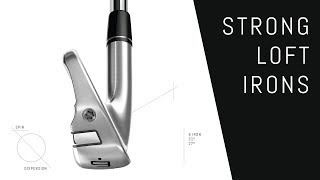 Understand why lower-spin clubs widen your dispersion circle
 Know why Chromoly pairs face speed with bendability
 Compare wedge yardage with your 9-iron
 Consider two- and three-ring wedges for big divots
 Let distance splits reshape wedge practice
 Consider a pro's caution on a late driver switch
 Feel how a light grip worked with this putter's square face
 Account for shaft droop in dynamic lie
 Try two degrees upright for players who miss right
 Chase clubhead speed with a lighter shaft if consistent
 Don't assume same static loft means same dynamic loft
- Stay in your tilt to stop an out-to-in path
 Consider an indoor foam-ball half-swing first session
 Trial a Chrome Soft ball around 100 mph
 Match low-spin draw bias to a spinny cut
 Test full and partial shots during a wedge fit
- Test driver forgiveness with toe and heel strikes
 Judge driver value by gain as well as price
 Fit the shaft before the clubhead
 Tee the driver down to hit up on it less
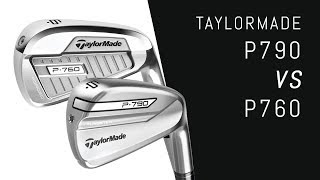 Fit every iron specification together
 Fit the putter shaft for repeatable launch
- Aim wedge launch at about half the loft
 Use on-course data to trigger fitting follow-ups
 Open the face a couple degrees to add bounce
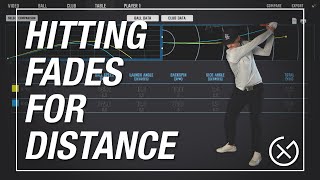 Let swing path organize the face for shot shape
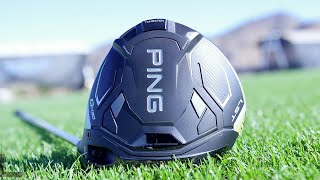 Use face design to protect off-center launch
 Raise wedge CG for lower launch and more spin
 Evaluate long-iron stopping power beyond spin
 Try a shorter fairway wood for a heel-strike miss
 Account for range-ball rollout in short-game practice
 Test swing weight for late-round fatigue
 Use a slightly bigger iron head for confidence
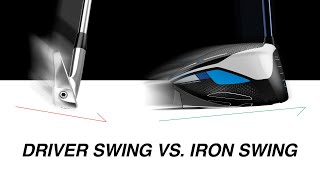 Adjust setup for the two swings: driver vs irons
- Pick a round wedge grip if you open and re-grip the face
 Fit the driver around its miss behavior
 Reject a driver head that cannot deliver enough loft
 Brush the turf using the bounce, don't dig steeply
 Check shaft flex and weight when timing is off
 Limit testing as the player's energy falls
 Keep enough spin to hold a tour driver in flight
- Choose shaft fit over a professional's color
 Build bounce versatility into your wedge set
- See how added loft can tune a player's spin window
 Open your stance to offset a ball-back start line
 Consider the P770 to step down from a game-improvement iron
 Consider this fitter's carry-depth consistency preference
 Use club-data systems to diagnose delivery
 Don't band-aid iron spin with a ball change alone
 Compare stronger loft against your standard iron distance
 Keep a trusted fairway-finder under pressure
 Revisit close fitting options with more shots
 Use micro-hinges to add launch and forward spin
 Compare the spin window across imperfect strikes
 Pick an iron by your need: less spin or more height
 Validate iron shape on the course after fitting
 Adjust loft independently with the 33 setting
- Add loft cautiously to add spin
 Check forward CG when the club resists rotation
 Pair a tip-stiff shaft with enough starting loft
- Judge your game over 5-10 rounds, not one
 Strike low on grooves two to four for more spin
 Limit indoor ball tests to measured properties
 Spin gives distance control in your scoring clubs
 Match putter arc and toe hang to your face rotation
- Start replacing wedges around 75 to 100 rounds
 Match putter-shaft flex to stroke tempo
 Compute the full links-golf equation
 Shorten the hybrid shaft to flatten lie and reduce hooking
 Account for path when fitting fairway-wood loft
 Question heavy iron shafts after swing changes
 Hit down on fairway woods for center-face contact
 Dial in driver shaft and settings
 Use higher MOI to tighten putter twist
 Back-corner weighting resists twisting on off-center putts
- Shorten the fairway wood and restore toe weight
 Off-center strikes hurt more at high club speed
 Recognize one player's cue for feeling visible loft
- Consider a high-spin wedge for low dynamic loft
 Control swing speed when comparing long clubs
 Remove a redundant, less-forgiving long iron
 Fit wedges across bounce and grind options
- Begin a sequencing session with chippy swings
 Fit Elyte irons to a solid-striking amateur
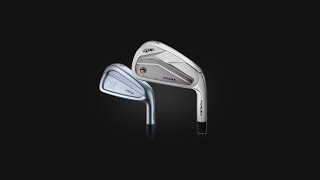 Test shaft balance point with head weight
 Line up club face and path to avoid a glancing blow
 Fix an over-draw by trying to hit a fade