Club Champion
1364 verified teaching moments with direct channel credit and official-source links.
 Stand the shaft up to give it room to shallow
 Review the speaker's ground-motion approach to speed
 Understand how heavy range practice sandblasts grooves
 Pick a lower-spin ball if you balloon your irons
 Golf jump: reverse the arms of a normal jump
 Lower driver loft 0.5 degrees when spin alone is high
 Fit TZ5 for hard loading and flight control
 Practice short game with your on-course ball
 MOI affects ball speed retention, not just stability
 Match wedge yardages to iron progression
 Account for extra droop in cavity-back irons
 Validate putter candidates on a real green
 Notice how components shift putter balance point
 Start shaft testing from a baseline
 Match wedge bounce to your turf firmness
 Recognize stable shaft feel without hard loading
 Test irons with the shots you actually play on the course
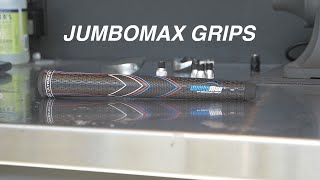 Match grip size to extra-large hands
 Consider toe hang for an arcing stroke or right misses
 Measure how open the putter is before impact
 Aim small, miss small on recovery shots
 Judge lie angle by ball flight, not the divot
 Test shaft mass with other variables fixed
 Mount the PlaneMate rail and clip trail-side
 Control the rate of face rotation to control impact
 Fit putting performance in a fixed sequence
 Choose flat-line performance over data spikes
 Review why adjustable draw bias interested one tester
 Test control before choosing an overall-light build
 Trust what you feel over the swing-weight scale
 Target near-zero putter sidespin
 Weigh iron-head thickness against stability
 Try I Wedge Tour when moving from S400 steel
 Understand why irons outrun specialist wedges
 Match putter sliding-weight position to your miss
- Expect range-ball chipping to train you short
 Match clubhead speed when comparing drivers
 Control loft and shaft in iron-head comparisons
 Fit shaft flex by control, not label
 Flatten wedge lie angle if you pull shots left
- If distance is still missing with good numbers, get fit
 Journal sleep before important rounds
 Diagnose a high-spin wipe driver
 Check delivered loft when driver flight is high
- Use rotation, not hands, to square wedge shots
 Use a launch monitor to validate, then build feel
- Value slice-fixing for distance, not just accuracy
 Regulate exit speed consistently for distance control
 Trade shaft mass for added playing length
 Understand what wedge grooves actually do
- Give each wedge a purpose, mix your bounces
 Do not equate light graphite with soft flex
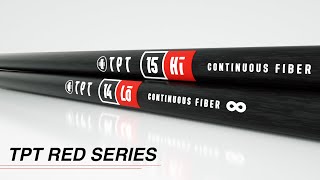 Read steady butt CPM as a tip-mass clue
- Match wedge spin expectations to the lie
 Do not treat shaft flex as a universal scale
- Fit ball flight from head and shaft, not loft alone
 Fit graphite irons to a skilled senior losing speed
- Lift the lead foot at the top to check weight shift
 Reserve the L grind for firm, dry open-face shots
 Weigh mishit feedback when choosing cavity-back irons
 Pick a mini driver if you stray around the face
 Use a square track as start-line feedback
 Orthodox putter face: open at back, closing to impact
 Use shaft weight to improve timing and control
 The shaft, not the head, drives performance
 Use iron construction to raise launch
 Test this ball profile for a low-spin driver
 Trade launch against spin like a teeter-totter
 Reassess driver fitting as the swing changes
 Expect lower loft to raise energy transfer
 Evaluate driver launch and spin as a pair
- Consider graphite for precise shaft tuning
- Calibrate your distance from the putt line
- Use lie angle to steer an iron's face direction
 Let trajectory, not distance, set your wind club
 Swing with feet together to speed up arms and hands
 Build wedge versatility with varied grinds and bounce
 Check wedge spin when face dust reduces friction
 Test one more degree of hybrid loft for spin
 Treat lie-angle errors as loft dependent
 Judge a cheaper golf ball on the partial wedge shot
 Correct driver head weight before judging a shaft
 Compress the ball by leaning the face, not hitting down
 Consider new wedges around 100-125 rounds of use
- Use a softer shaft to get a more in-to-out path
 Use movable weight to fine-tune driver flight
- Adjust the pitching wedge to close a carry gap
- Putter weight follows a bell curve for squaring the face
- Test golf balls on a launch monitor, don't chop and change
 Hold the shaft constant during driver-head tests
 Don't judge a shaft by launch and spin numbers alone
 Match a smooth tempo with a shaft that loads comfortably
 Compare consistency before chasing hybrid distance
- Use the ball's launch window as feedback
 Use fitting to narrow the putter ballpark
 Let fitting data decide and feel validate
- Hit golf balls through the bag before choosing
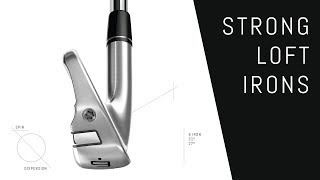 Understand how strong lofts launch high anyway
 Expect wedge launch angle at about half the loft
- Choose the D grind for soft conditions and versatility