Club Champion
1364 verified teaching moments with direct channel credit and official-source links.
 Pick the driver you center-strike most easily
 Short irons are harder to cut as dynamic loft rises
 Account for vertical roll when reading driver strike
 Tame face rotation to stop pulling putts left
 Match putter launch to green speed
 Compare golf-ball and shaft effects on spin
- Use this player's out-front fade feel for a hook
 Set up the driver for a positive angle of attack
 Fit lie angle for address confidence
 Pair sand and lob wedges for different shots
 Step drill for building swing speed
 Compare clubs by the cost of a heavy miss
 Check putter loft when the shaft leans forward
 Recognize how paint breaks reduce visible offset
 Reverse an adjustable sleeve with opposite handedness
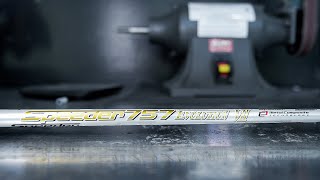 Evaluate shafts in the right full build
 Review a lower-loft, squared-face fit for a steep cut
 Compare driver consistency across the whole face
 Forged vs hollow-body irons: feel vs forgiveness
 Use a lower-spin iron for a fast swing
 Match head weight to a high-balance shaft
 Blind-test wedge bounce to reduce preference bias
 Note driver-like flight from a 10.5 mini driver
 Compare how higher handicaps and tour pros aim at address
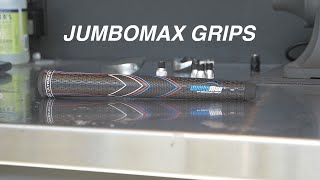 Check face awareness when testing a large grip
 Reserve very stout shafts for high-speed players
 Prioritize square face and dynamic loft over forward roll
 Consider a lower-spin iron for fast, high-launch players
 Compare drivers on matched mishit locations
 Use face slots to retain mishit ball speed
- Use hybrids to create high, soft long shots
 Fit the driver to the ball, not the ball to the driver
 Fix driver spin before changing the ball
 Prioritize face angle in putter fitting over loft
 Match a stiffer shaft to high speed and aggressive tempo
 Rebalance a driver after cutting the shaft down
 Position driver CG to protect the common miss
- Read grip-down results as player-specific
 Distinguish swing weight from static weight
 Balance iron spin against driver distance
 See how much wrong loft can hurt a fairway wood
- Retest the gamer after the golfer warms up
 Let iron data override the handicap label
- Compare wedge consistency, not only averages
 Pair mechanics work with direct speed training
 Use misses to test a driver combination
 Retest drivers to control for test order
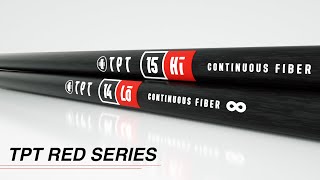 Compare face angle across shaft tip stiffness
- Rotate one top-of-bag slot for the course
 Use 8-iron shafts in wedges you only hit partial shots
- Expect grip-down shots to change dynamic lie
 Tighten misses before chasing max distance
 Space your wedge gaps 12 to 14 yards apart
 Notice how stopping action affected distance control
 Account for face angle when checking dynamic lie
 Match club length and loft to player delivery
 Stand up while you hit down on partial wedges
 Check face-to-path when dynamic loft rises
 Judge shaft stiffness by feel, not by a spec curve chart
 Factor face friction into wedge-spin fitting
 Judge a wedge on partial shots, not full swings
 Validate the best fitting numbers on the course
- Rock between force pedals before swinging
 Reject a club that requires swing manipulation
 Fit a higher-spin wedge to ball choice
 Revisit shafts that previously felt comfortable
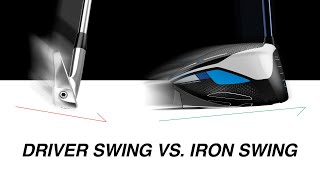 Recognize low-launch, high-spin driver delivery
 Test standard against longer, lighter shafts
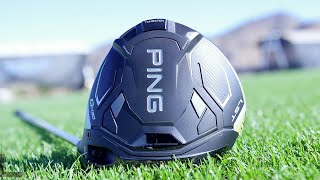 Match LST bulge to high-speed toe strikes
 Square your alignment to earn permission to shift left
 Know the exact carry distance of each iron
- Structure speed practice into a 45-minute session
 Struggling to launch? Look at a wider-body head
- Counter a mallet's extra launch with a touch of forward lean
 Use the S grind if you shallow through partial shots
 Test club variables before changing the swing
- Match your putter to your stroke's natural roll
 Hide launch data during a feel player's fitting
- Use a fresh wedge to keep more spin
 Hit it softer into the wind to kill lift
- Map toe and heel use to difficult short-game lies
 Tune Gen5 weight ports from 2.5 to 20 grams
- How lie angle at impact turns into a hook or fade
 Read a bubbling putt as excess overspin
- Each 1 mph of ball speed is worth 2-3 yards
 Test putter grips instead of trusting their claims
 Align GTS3 center of gravity with impact location
- Match shaft profile to transition and face stability
 Check head tilt against a straight putt line
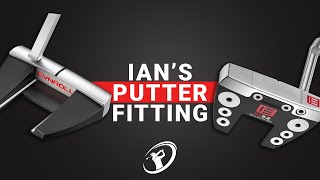 Calibrate the fitting with the current putter specs
 Choose consistent spin over maximum spin in a wedge
- Graphite shafts dampen impact vibration for joint pain
 Chip cross-handed to stop the trail wrist flipping
 Face-balanced putters are easier to square than toe hang
 Measure your stroke arc before choosing toe hang
 Compare the distance of left and right misses
- Use low-point change to evaluate shaft length
 Choose wedge spin consistency over maximum spin
 Read ring markings as wedge bounce levels
- Understand how a steel wrap limits shaft ovaling