Club Champion
1364 verified teaching moments with direct channel credit and official-source links.
 Value wet-spin retention when shots must stop
 Target driver dynamic loft 17-19, angle of attack 6-7
 Expect little sole-grind difference on full wedge shots
 Maybe worth trading a couple yards for real savings
 Move the rib faster than the arm to control the face
 Strike the driver slightly above center for launch and spin
 Estimate swing weight at home with a kitchen scale
 Test golf balls after a loft and lie fitting
 Use the M-grind as your versatile wedge
 Judge iron offset by the resulting ball flight
 Lie angle matters more as loft increases
 Review the speaker's lead-side-shift speed pattern
 Try a lighter, softer shaft if you drive well
 Compare driver dispersion before choosing
 Test adjustable settings against strike tendencies
 Watch how posture shifts your putting aim
 Use a sole sticker to read wedge wear without dynamic data
 Add loft and downward attack for more wedge spin
 Consider a nine-degree loft for spin reduction
 Faster ball speed comes from the right shaft-head combo
 Why a 5-hybrid rarely replaces a 5-iron
 Good fitting raises your floor, not your ceiling
 Retest at a weaker retro spec to isolate loft's effect
 Lean the shaft forward to reduce putter launch
 Expect finish wear and seam rust on sandy-subsoil courses
 Pick the speed system you'll actually do
 Don't fix a left aim if you cut your putts
- Use three-wood when the hole does not need driver
- Rest the armlock grip against your lead forearm
 Use urethane when wedge spin is limited
 Pick a hybrid over a driving iron to escape rough
 Separate pre-impact stability from post-impact feel
 Match grip size and texture for consistency
 Prioritize a tight putter ball-speed range
 Treat the driver as its own swing discipline
 Choose an iron by the benefits your game needs
- Match a lower-flight hybrid to a high flight
- Target a 138 smash factor with your six iron
 Match small blades to consistent ball striking
 Recognize a square-feeling putter face is a sensation
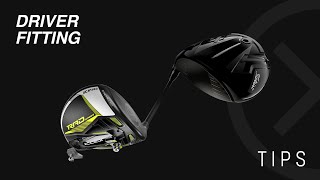 Judge a club by its misses, not its best shots
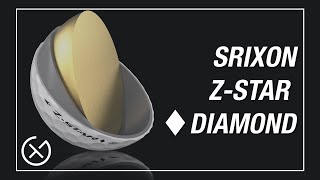 Test golf balls from wedge to driver
 Play 'three strikes you're out' for ball speed
- Test shafts before iron heads
 Use adjustable draw bias for a persistent slice
 Shape shots by changing face angle at address
 Look for toe weighting that raises head MOI
- Keep a draw as an extra-speed option
 Use wet-wedge consistency as a fitting tiebreaker
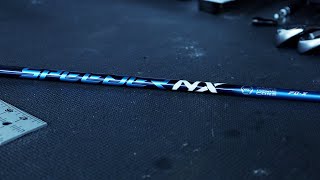 Test shaft feel individually, not just by spec
 Use a thick flat-top grip to quiet the wrists
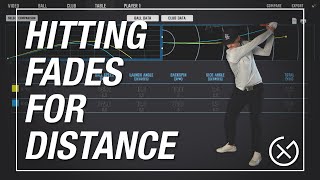 Manage spin loft with a centered strike to maximize distance
 Who driving irons suit: shallow, high-flight players
- Reduce toe hang to square an open putter face
 Visualize bounce like skipping a stone
 Choose a repeatable broomstick-putting motion
 Place mass behind an iron's sweet spot
 Know most fairway shafts are cut-down driver blanks
 Control wedge height with your finish, not lifting
 Add driver loft when spin is too low
 Choose wedge bounce for your turf conditions
 Fit toe hang to an aggressive arcing stroke
 Add loft when mini-driver flight gets too hot
 Match ball compression to your speed to control launch
 Modify the hell drill to keep width in transition
 Test drivers for high-launch, high-spin players
- Identify three reasons you lose distance
 Account for a larger handle in shaft feel
 Hands forward, weight left squeezes the ball into the ground
 More wedge bounce for added turf resistance
 Consider one tester's stability feel on mishits
 Compare driving iron and hybrid clubface control
- Widen the stance so heels sit wider than the hips
 Consider wet-lie performance when choosing wedges
 Balance golf-ball performance against replacement cost
 Pair a softer ball with a firmer iron to soften feel
- Add release when a pitch must stop quickly
 Match shaft kick to excess face closure
 Not every 9-degree driver is created equally
- Read shaft frequency as cycles per minute
 Optimize speed, launch and spin for driver distance
 Test total club weight at the same length
- Choose between similar tour balls by feel
- Set up the low punch: ball back, weight forward
 Build spin, shape, and apex options for wind
 Tune wedge head weight in two-gram increments
- Tee the driver to strike just above the center
 Score practice shots on contact, trajectory, distance
 Stop adding forgiveness at diminishing returns
 Track four delivery numbers for pitching
- Test head weight against strike consistency
- Consider 10-11 degree launch for an across-ball delivery
 Use the bounce, not the leading edge, on chips
 Combine putter data with player feedback
- Use another fitter to reduce equipment bias
 Use band position to detect an early hand release
 Rethink forgiveness as retained ball speed
 Fit the putter around repeatable tendencies
- Match wedge groove design to the loft's job
 Choose face-balanced or toe hang by your stroke