Club Champion
1364 verified teaching moments with direct channel credit and official-source links.
 Check vertical dispersion in an iron fitting
 Avoid the home run ball when picking gear
 Go heavier and shorter on the hybrid shaft
 Recognize familiarity bias during shaft tests
 Fit the putter to the golfer's real aim pattern
 Compare mishits at similar delivery conditions
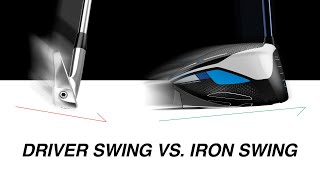 Narrow driver spin loft to transfer more energy
 Lower delivered loft for a more forceful impact
 Keep grip finger markers away from your thumbs
 Bracket your wedge strike: too shallow then too steep
 Check shot shape before crediting ball spin
 Build a full feedback loop for your swing
 Use face balance when an arc leaves the face open
 Study a turned-over 5-wood for 3-wood length
 Keep the putter short enough for a straight-back stroke
 Fit a driver shaft to your swing timing
 Match the putter to your posture, not posture to putter
- Trust what a club feels like to the player
- Get steeper by moving weight left and ball back
 Flight downwind shots for distance control
 Same static loft shows higher dynamic loft when CG is back
 Avoid driving irons without enough launch and spin
 Pick F grind bounce by your delivery
- Control putter launch to stabilize distance
 Judge iron misses by pin-high, not left-right
 Match sole resistance to wedge and long-iron needs
 Use the ball's center line for strike feedback
 Expect added wedge spin to lower launch
- Make the putter heavier to calm a shaky, handsy stroke
 Notice easier arm hang and softer-face contact
 Aim at a start-line target, not the flag
 Use optimizer ranges to interpret launch data
 Limit indoor ball tests to measured factors
 Match shaft choices to your own pattern
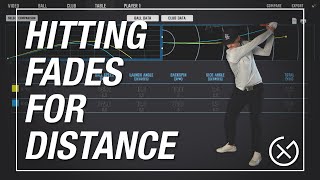
 Use a fade with a modern low-spin driver for consistency
 Understand how graphite putter shafts adapt to bent necks
 Use delivery changes to retain driver loft
 Fit putter shape to visual response and release
 Use six-iron landing angle to decide long iron vs hybrid
 Buy adjustable irons so they last as your swing changes
 Adjust targets for a lower-spinning ball
 Test a shaft when driver dispersion stays wide
 Use the hosel chart from a standard baseline
 Look for forward lean plus upward attack in putter fitting
- Match three-wood shape to the landing need
 Sequence drills from least to most like the swing
 Keep the wedge face clean for spin
- Use a double step to sequence ground pressure
 Match a neutral or tour driver to player profile
 Add bounce to bring wedge trajectory down
 Evaluate irons with stopping-power metrics
 Keep a set pitching and gap wedge for average golfers
 Take earphones out to hear the putt
 Fit iron launch and spin as separate needs
 Consider a cavity-back gap wedge for mishit forgiveness
- Judge driver launch by CG, not the stamped loft
 Expect flatter lie angles on Japanese irons
 Check both push-spin and pull-spin misses
 The divot forms after the ball, not at it
 Fit the player's bad-day swing patterns
 Prefer the rotation rate that is easier to control
 Fit head weight by whether you can feel the clubhead
 Point the club's butt end at an outside tee to turn
 Move GTS2 weight back for launch and stability
 Review how the speaker slows, then speeds up the swing
 Bring on-course strokes-gained data to a fitting
 Titanium core spreads iron head mass outward
- Recognize swing-path responses to ill-fit gear
 Trace mid-range three-putts to speed control
 Understand how a slicer's setup adds loft and kills distance
 Test golf balls yourself since compression varies by player
- Put pressure into the club, not speed
 Map carry gaps before adding another hybrid
 Treat each half-inch gripped down as one club shorter
 Don't reject a club on looks before hitting it
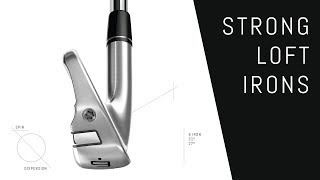 Fit shaft, loft, and lie to stabilize carry
 Practice off a downslope to keep weight off your trail leg
 Use a tip-stiff shaft to fight a hook
 Measure putter path around the impact zone
 Don't add loft to a shallow or downward strike
 Exaggerate the first motion in some drill swings
 Don't read shaft numbers off a bad ball flight
 Rehearse resistance, relaxation, and rotation
- Recognize a low spin misread that inflated iron carry
 Choose Apex for forged feel and added forgiveness
- Carry more spin than you need, you can take it off
 Fit tour-derived club designs with shaft, weight, and loft
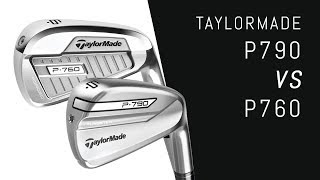 Account for face rotation when comparing loft
 Check high wedge strikes when spin drops
- Change eye position to alter perceived aim
- Test multiple putter lengths and measure what changes
 Go slightly heavier to raise a struggling strike
 Know your iron carry number to clear trouble
 Use descent angle to evaluate driver flight
 Isolate shaft changes with one clubhead
 Consider a low-spin driver for high spin
 Standardize loft before comparing irons
 Push vertically at 9:30 to stop a flippy release
 Driver smash factor benchmarks: 1.50 max, 1.48 tour
 Picture a fixed window for wedge flight