Club Champion
1364 verified teaching moments with direct channel credit and official-source links.
 Use a firm-core ball to create more wedge spin
 Measure delivery changes from a shorter putter
 Align face milling with an open-face path
 Account for turf moisture before wedge impact
 Stabilize ball flight before optimizing distance
 Match a lower-spin ball to the Hot Metal high-launch head
 Separate friction-driven spin from launch
 Look for a flat, driven wedge flight, not high and floaty
 Rehearse full-length iron swings at half speed
 Hit a hybrid from the rough, not a long iron
 Check taper rate if you're sensitive to grip size
 Test beyond standard driver-fitting combinations
 Lower the tee if a high setup sends you underneath
 More delivered loft made this driver more viable for him
 Check whether the putter face opens into impact
 Judge putter face control by repeatability
 Who high-MOI drivers actually help
 Use a putting stroke to shallow a steep strike
 Use a Titleist weight kit to expand launch-tuning options
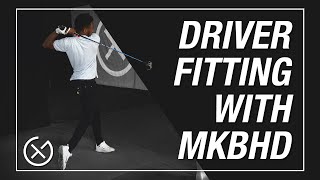 Add loft to keep a draw carrying
 Split driving losses into distance and accuracy
 Open a higher-loft hybrid to tune flight
 Compare shaft timing through path and strike pattern
 Stabilize the face for a wide margin for error
- Match spin target to launch angle
 Blind-test forward and back driver weighting
- Manage wedge spin with the loft and speed tradeoff
 Review a fitting that raised launch and lowered spin
 Check wet-wedge distance retention
 Trace outlier drives to strike point
- Use stout iron shafts for speed and dispersion
 Choose the C or S grind for tight turf
 Map a fairway wood between driver and long iron
 Fit for predictable strike before head settings
 Question driver readings that exceed known speed
 Lower scores by missing better, not by hitting it longer
 Play a short-sided rough lie like a mini bunker shot
 Understand how swing path changes wedge loft and flight
 Fit a golf ball from the green back to the tee
 Match loft and lie before comparing irons
- Use lie angle to manage the driver's start line
 Find where trajectory breaks through the iron set
 Strike putts toward the heel on heel-weighted putters
 Torque is a feel, not what sends the ball offline
 Use perimeter weighting to increase putter forgiveness
 Find your putter length with the ball-drop eye test
 Consider a lower-spin ball for iron distance
- Choose a wedge by its job, not a blanket grind
 Advanced ladder drill: step the ball past then back
- Check how a wide iron sole manages turf drag
 Run pitches at the hole like a putt, not on spin
- Control chipping low point before chasing flight
 Aim right only after a slicer's shots turn left
 Focus on path and let the club face follow
 Vary hybrid delivery to change trajectory
 Gap a set by its club-to-club speed jumps
 Match sole width and bounce to your attack angle
 Value driver forgiveness at similar distance
- Use a wide sole in heavy bunkers and soft turf
 Avoid a very low leading edge in soft turf
 Use a hybrid from semi-rough on par fives
 Look for marginal gains in regular fittings
 Consider face-to-path alignment for ball-speed efficiency
 Feel pressure on your lead side to hit down
- Aim to one side so your miss feeds back to the middle
- Expect similar results from different shafts, same swing
 Effective bounce depends on sole width
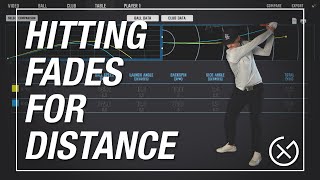 Aim open and swing down the foot line for a fade
 Blind-test heads within manufacturing tolerance
 Fit your golf ball starting from your wedges
 Set weight lead side to encourage a downward attack
- Fit the ball for directional and height control
 Consider how better players use combo iron sets for gapping
- Get lie angle right to clean up contact and speed
- Adjust putter lie to your hand height
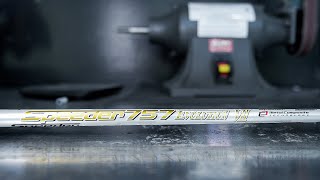 Match a shaft to your tempo and hand-speed feel
- Bracket putter feel with too-firm, too-short strokes
 Compare driver speed on centered and missed strikes
- Use a lower half-groove for thin partial wedges
 Consider perimeter weighting to help heel-side misses
 Fit wedge feel to regulate partial-shot distance
- Blades curve the ball easier than high-MOI irons
 Baseline wedge yardages before fitting the sole
 Separate head forgiveness from shaft timing
 He attributed a shorter iron carry to loft, not his swing
- Choose a lower-spin ball if you add loft and spin
 Match cavity-iron forgiveness to your strike
- Recognize a rounded sole's fast turf-exit intent
 Try a high-lofted hybrid for more height
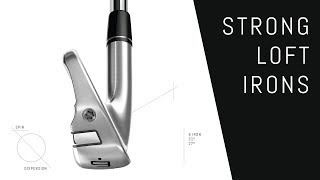 Don't buy strong-loft irons off the shelf without a fitting
 Left foot does 1.6x the work; right early-extends
 Use a higher-spin ball to steepen a low ball flight
- A friend's account of why Tiger's irons fly so high
- Use a relieved three-part sole for bunker versatility
- Look for toe-side mass that raises head MOI
 Use a weight-track driver for a wandering strike
 Set realistic expectations for driver fitting gains
 Use an angled alignment stick to fight your tendency
 Treat counterbalancing as player-specific
- Know what forgiveness really means in an iron