Club Champion
1364 verified teaching moments with direct channel credit and official-source links.
 Accept lower wedge spin when you do not need more
 Consider tip stiffness for an early release
 Understand how graphite-shaft balance point affects feel
 Shape your miss away from the trouble side
 Demo an iron upgrade at the same strike point
 Choose training aids that give instant feedback
 Reduce driver spin loft with upward attack
 Use sole options to fit course conditions
 Check carry gaps before choosing a four-iron
 Use a heavier hybrid shaft to build it shorter
 Fit wedge loft to your measured spin loft
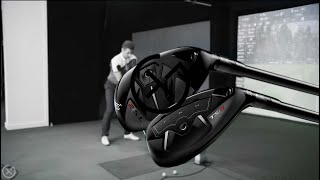 Rebuild yardage gaps when a five-wood flies farther
 Weigh spin consistency against a small distance gain
 Compare wedge balls at matched carry distance
 Test the head instead of assuming Tour issue is faster
 Match face rotation to a square impact position
 Tune driver bias with split head weights
 Expect gripping down to tighten dispersion, lower flight
 Replace bunched long irons with hybrids
 Keep a wedge low: ball back, weight and hands forward
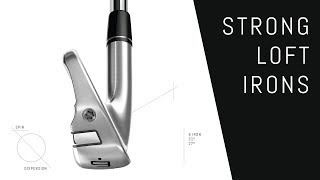
 Iron lofts aren't standardized across brands
 Tee it low to eliminate one side off the tee
 Treat this as one method for flighting down a mid-iron
- Compare driver heads by CG and start line
 Balance launch angle against spin rate
 Keep two or three forever drills
 Understand that shaft flex letters aren't universal
 Check dynamic lie when a fairway wood sits toe-down
 Aim for about three degrees of dynamic putter loft
 Claw and oversize grips reduce putter face rotation
 Why better players prefer one-piece irons over springy faces
 Let your head fall to setup so it rotates on one axis
 Refit your driver after major speed gains
 Use a high balance point to add head weight
- Use less putter loft on faster greens, more on slow
 Retain loft while managing an overdraw
- Overall weight and swing weight are not the same
 Match ball to putter or downhill putts run away
 Start with a clean face and premium ball for spin
 Land pitches with check then a last roll at putt pace
 A 90-foot apex is fine unless you face a forced carry
 Know and measure your stance width for each club
 Do not treat some extra driver spin as automatically bad
 Choose the wedge finish before making the swing
 Choose the K grind if you chunk your wedges
 Move the GT4 weight back for more forgiveness
- Shape into the fairway to widen your landing area
 Swap driver and 3-wood for a mini driver if both struggle
 Avoid low spin that opens the door to flyers
 Take retained output without extra leverage
- Recognize this instructor's partial-wedge choke-down habit
 Retest an iron when changing golf-ball spin
- Expect leading-edge relief to save heavy wedge strikes
 Understand why lie angle matters more on wedges
 Check whether excess wedge spin costs carry
 Use a launch monitor to see what you really do
 Selected-ball control for outdoor spin rates
 Check head-to-shaft weight balance on toe strikes
- Compare shaft midsection feel and stability
 Target a 34-38 degree driver landing angle
- Check strike location with an open putter face
- Choose driver loft from the player's spin pattern
- Fit for both yardage spacing and miss direction
 Check spin variability when comparing loft settings
 Check make percentage by distance for scoring opportunities
 Balance a high-spin ball with a lower-spin iron
- Use full-face wedge grooves from deeper rough
- Check carry consistency before chasing iron speed
 Maintain lead-elbow bend through the strike
- Test iron-set technology through the four iron
 Don't chase ultra-low driver spin
 Shorten a long backswing and keep the arms in front
 Look for a stable face through the impact zone
- Choose a cavity-back wedge if you're not single digit
 Prioritize putter stability on long slow-green putts
 Check leading-edge position when opening a wedge
 Prevent a hybrid from crowding the four-iron
 Treat the ATV's recessed middle as a possible speed gain
- Use a lower-lofted forgiving head to close the face
 Run the normal-stance SuperSpeed C-club drill
 Retrofit a double-bend putter with the correct upper shaft
 Compare distance lost at 60-70% swing effort
 Know shaft torque ranges: low, mid, high
 Consider high-launch irons for low launch and spin
 Choose between forgiveness and shot shaping
 Review the speaker's feel: attack angle keeps cut distance
 Chase spin consistency, not high or low spin
- Hold bounce and sole grind constant in wedge tests
- Only change a strong grip if it starts causing a fault
 Screen mobility before rebuilding your swing
- Listen for sole interaction during a wedge fitting
 Understand why excess launch costs more on fast greens
- Read a block-right miss through rotation metrics
 Take more club into the wind, not less
 Choose Ping when you need a very flat fairway wood
- Check ball speed retention on mishits to pick your iron
 Choose a robust iron head for high speed
 Strike your six iron two to four degrees down
 Understand what wedge grooves really do for spin
 Match specifications before comparing clubheads