Club Champion
1364 verified teaching moments with direct channel credit and official-source links.
 Match putter launch angle to green speed
 Combo forgiving long irons with players short irons
 Stack marginal gains rather than chase one game changer
 Judge scoring irons by predictable flight
 Keep the bounce and speed for wedge spin
 Trade low-bounce precision against mishit tolerance
 Use tee height to preselect strike height
 Fight a slice with a lighter head and thinner grip
 Compare spin on eight-millimeter-low strikes
 Treat the shaft as the investment piece
 Open the face and re-grip to fade the punch
 Start with the Black for soft feel, watch greenside spin
 Think of shaft stiffness as lateral dispersion, not launch
 Use spin and landing angle as tie-breakers
 Match wedge bounce to turf firmness
 Chase club speed, ignore misses when speed training
 Standardize the club when testing shaft weight
 Fit a golf ball from the bottom up, driver last
 Judge driver performance without badge bias
 Check whether iron misses stay pin high
 Graphite iron shafts: lighter without going softer
 Use grip shape to improve putter-face awareness
 Turn a 50 into 56 degrees instead of opening a 60
 Replace your most-used wedge most often
 There is no true straight-back-straight-through stroke
 Treat this angle-of-attack window as one low-face example
 Understand how graphite tunes shaft bend profiles
 A very-low-spin club may call for a bit more loft
 Fit the putter as a complete system
- Adjust setup to hit a long club off the ground
 Expect ~8-10 yards upgrading a decade-old driver
 Hold your breath then breathe to drop heart rate
 Treat a fitting as a changing baseline
- Value driver speed more on wide-open courses
- High MOI and head material change your strike feedback
 Check smash and landing angle
 Err toward higher-spin irons since rough kills spin
 Go heavier if a light shaft feels uncontrollable
 Finish forward: belt buckle to target, weight left
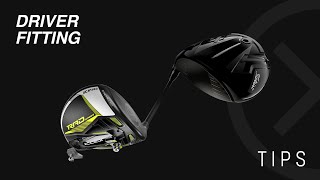 Match grip size to your hands for clubface control
 Pick stepped or stepless shafts by desired feel
 Use smash factor to read strike efficiency
 Check hand height when putts start left
 Bring your 8- and 9-irons to a wedge fitting
 Judge your driver over a season, not one best strike
 What putter grip size does to face rotation
 Test equipment on real-life misses
 Correct putter aim before rebuilding the stroke
 Understand why irons produce little gear effect
 Reduce fairway-wood loft when spin is excessive
 Fit your putter first for the biggest scoring gain
- Gain height by hitting less club
 Compare driver weight adjustability before you buy
 Consider how shaft stiffness loads your body
 Try a 17-degree fairway option for more height than a 15
 Evaluate premium wedges for spin consistency
 Arm-lock putting roughly halves face rotation
 Diagnose a ball starting right: open face or lie
- Check strike before crediting shaft spin
 Restore iron loft when speed cannot create height
 Retest finalist shafts before choosing
 Increase grip pressure into the wedge finish
- Consistent clubhead speed is what makes you fittable
 Understand why a draw produces more ball speed
 Try a light-feeling shaft for heavy hybrid feel
- Trade some ball speed for tighter dispersion
 Account for dark finishes when judging putter size
- Match wedge shafts to full and partial swings
 Club face and contact are the variables to fix
 Clear a 45-degree landing angle; 48 is this build's target
 Elevate launch through CG depth, not just spin
 Keep the putt low so it hugs the ground for true roll
 Choose a urethane cover for more wedge spin
 Avoid chasing front pins with a 40-degree descent angle
- Record the current driver before a fitting
 Fit toward both extremes before finding the middle
- Separate putter-head effects from grip effects
- Don't stiffen your shaft to cure a hook
 In wind, control peak height before spin
- Line the movable weight up with your strike point
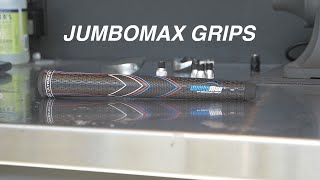 Test grips in person with a low-cost trial grip
- Expect roll-out: this chip has very little spin
 Take a club fitting onto the course
 Test club length when the path works left
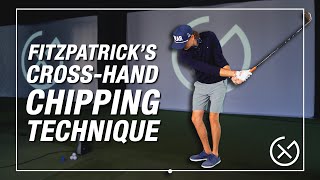 Groove lead-side feel with a 100-yard sand wedge drill
 Build a homemade launch monitor to dial in putter loft
 Fit a driving-iron shaft to the club's role
 Choose predictable driver results over rare best shots
 Fit compact distance irons to confident players
- Evaluate stopping power through landing angle
- A full-swing grip encourages unwanted putter face rotation
 Move a club's CG toward a toe miss
 Longer driver shaft pushes path right, attack up
 Rehearse swing changes at partial speed, then ramp up
- Judge a wedge by versatility, not yardage
- Don't chase a low-spin shaft to cut driver spin
 Understand short-shaft fairway-wood output
- Check customization limits before ordering direct
 Check whether a light active shaft slows you down
- Ball choice affects irons more than the driver