Club Champion
1364 verified teaching moments with direct channel credit and official-source links.
 Use hybrid head design for launch and forgiveness
 Once matched to spec, expect only subtle brand differences
 Heavier driver head weight helps face control
 Look for enough putter loft to clear the ball's dent
 Check putter shape and ball-pickup utility
 Move the sternum forward to shift your low point
 Test a related shaft profile in the fairway wood
 Gap wedges in 4-degree steps for ~10-12 yard spacing
 Seek lower launch, higher spin, and tight dispersion
- Watch strike location, not just face angle, on putts
 Close the face and you lose dynamic loft and spin
 Fit the ball from putter through driver
 Why a high-MOI driver resists twisting on the strike
 Find access to multiple wedges and test every bounce option
 Let fitting performance override the model you want
 High-ball hitters can strengthen driver loft
 Treat near-identical iron numbers as equivalent
 Hit three to five shots per fitting combination
 Optimize each driver instead of matching settings
 Fit beyond the stock wedge shaft
- Keep the shaft when its numbers are already at the limit
 Do not judge iron flight from loft alone
 Gap wedges by your comfortable swing yardage
 Target about 7 seconds of hang time per club
 Judge iron flight beyond the stamped loft
 Fit a broomstick putter maximum upright, size for comfort
 Judge miss hits by spin and ball-speed deviation
 Compare MOI and POI when choosing a driver
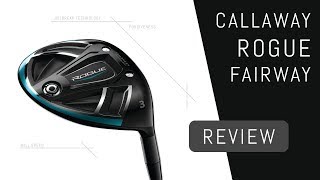 Fit a softer-tip shaft to a fairway wood
 Expect steep driver swings to vary strike
 Judge wedge wear by shot dispersion, not averages
 Know which of two swing patterns you have
 Don't let handicap alone pick your irons
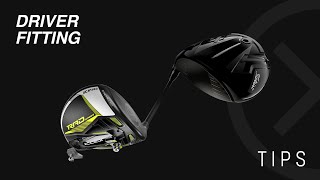 Fit the driver to your golf ball, not the reverse
 Mallet vs blade on off-center strikes
- Judge wedges by design, not by forged-versus-cast alone
 Use a shorter club to steepen the delivery
 Fit by removing factors that work against you
 Trust this tested graphite shaft not to balloon flight
 Account for strike height in iron comparisons
 Expect less bulge-and-roll benefit at average speed
 Review a fitting that exposed a hindering driver
 Don't use your driver hit-up setup for irons
 Protect contact when adjusting lie angle
- Keep face-to-path difference within two degrees
 Use a stable shaft with tip kick to flight a 3-wood
 Compare consistency from spin through ball speed
 Fit lie angle per club, not to match the set
 Try firmer-handle shafts for an over-the-top path
 Don't use the same wedge grind for both your 56 and 60
 Try a high-launch shaft for slower swing speeds
 Test a slightly lower-loft duplicate driver
 Use a fade feel to retain hybrid spin
 Match the M grind to firmer, neutral conditions
 Fit ball spin across irons and wedges
 Account for moisture changing wedge launch and spin
 Push the lead foot 11 to 10 to 9:30 in transition
- Avoid masking swing patterns with club bias
 Notice how shaft profiles can change across weights
 Question launch data that reverses a heel miss
 Consider a low-launch mini driver for ballooning flight
 Consider 5X for more late-round freedom
 Let the shot organize the swing with an external focus
 Rotate through impact to avoid the shank
 Expect peak height to dip in the long irons
- Recognize stable delivery as one player's testing window
- Match your golf ball to your top priority, then test
 Match a smooth loader with a stable active shaft
 Adjust loft and retest the spin window
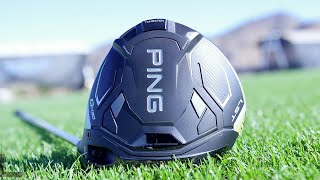 Lighter driver head can cost you ball speed
 Fit low-spin balls by wedge spin ability
 Prioritize materials in sub-50-gram shafts
 Tee the driver down when you grip down on it
 Use turf-like surfaces for indoor wedge fitting
 Account for face twisting on off-center putts
 Test different putter necks during fitting
- Put the heaviest weight in the accuracy port
 Check peak height across the wedge set
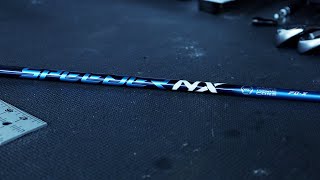 Consider how shaft-feel preferences track swing speed
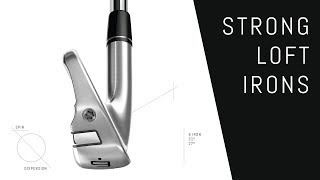 Understand the softer-tip shaft response to low-spin heads
 Diagnose the scoop behind inconsistent chips
 Combo iron models to match each iron's job
 Fit the club to your delivery, not the static loft
 Fit a mini driver to a high, shallow delivery
 Use a 21-degree 7-wood for slower speeds and rough
 Move driver weight back to raise MOI
 Fit shaft weight first, then bend profile
- Use feel to choose between similar golf balls
- Don't choose a wedge by its bounce number
- Check strike location before comparing fit numbers
 Feel a heel strike to fix toe misses with an open face
 Judge spin against strike and face delivery
- Practice putting with feedback, not guesses
 Change dynamic lie to fix a miss too far right
 The recipe for driver distance: more speed, less loft
- Add putter weight, Tiger-style, to get more roll
 Consider GTS4 when driver spin needs reduction
- Groove a feel with small pitches, then go bigger
- Account for acoustics when judging ball feel
- A longer driver can add speed with a dispersion tradeoff