Equipment & Fitting
1167 verified teaching moments with direct channel credit and official-source links.
 Test shaft feel individually, not just by specChannel: Club Champion
 Use a thick flat-top grip to quiet the wristsChannel: Club Champion
 Who driving irons suit: shallow, high-flight playersChannel: Club Champion
 Use your second-most-lofted wedge, not the 60Channel: Dan Grieve
 Reduce toe hang to square an open putter faceChannel: Club Champion
 Place mass behind an iron's sweet spotChannel: Club Champion
 Know most fairway shafts are cut-down driver blanksChannel: Club Champion
 Add driver loft when spin is too lowChannel: Club Champion
 Choose wedge bounce for your turf conditionsChannel: Club Champion
 Fit toe hang to an aggressive arcing strokeChannel: Club Champion
 Add loft when mini-driver flight gets too hotChannel: Club Champion
 Match ball compression to your speed to control launchChannel: Club Champion
 Test drivers for high-launch, high-spin playersChannel: Club Champion
 Clean grass from your wedge grooves between shotsChannel: PorzakGolf
 Account for a larger handle in shaft feelChannel: Club Champion
 More wedge bounce for added turf resistanceChannel: Club Champion
 Consider one tester's stability feel on mishitsChannel: Club Champion
 Compare driving iron and hybrid clubface controlChannel: Club Champion
 Consider wet-lie performance when choosing wedgesChannel: Club Champion
 Balance golf-ball performance against replacement costChannel: Club Champion
 Use hosel offset to change impact timingChannel: MrShortGame Golf
 Pair a softer ball with a firmer iron to soften feelChannel: Club Champion
 Match shaft kick to excess face closureChannel: Club Champion
 Not every 9-degree driver is created equallyChannel: Club Champion
- Read shaft frequency as cycles per minuteChannel: Club Champion
 Optimize speed, launch and spin for driver distanceChannel: Club Champion
 Test total club weight at the same lengthChannel: Club Champion
- Choose between similar tour balls by feelChannel: Club Champion
 Tune wedge head weight in two-gram incrementsChannel: Club Champion
 Tee the driver to strike just above the centerChannel: Club Champion
 Stop adding forgiveness at diminishing returnsChannel: Club Champion
- Fit putter length to eye position and stroke shapeChannel: MrShortGame Golf
 Test head weight against strike consistencyChannel: Club Champion
 Consider 10-11 degree launch for an across-ball deliveryChannel: Club Champion
 Oversized grips can open the clubfaceChannel: Todd Graves
 Combine putter data with player feedbackChannel: Club Champion
- Use another fitter to reduce equipment biasChannel: Club Champion
 Rethink forgiveness as retained ball speedChannel: Club Champion
 Fit the putter around repeatable tendenciesChannel: Club Champion
- Match wedge groove design to the loft's jobChannel: Club Champion
 Choose face-balanced or toe hang by your strokeChannel: Club Champion
 Fit your ball to approach shots, then driver to ballChannel: Micah Morris
 Pick the driver you center-strike most easilyChannel: Club Champion
 Match lie angle to how much arc your stroke hasChannel: PorzakGolf
 Account for vertical roll when reading driver strikeChannel: Club Champion
 Match putter launch to green speedChannel: Club Champion
 Compare golf-ball and shaft effects on spinChannel: Club Champion
 Use the D-M-T grind continuum to judge turf helpChannel: Micah Morris
 Recognize what changes with an unfamiliar putterChannel: Bryson DeChambeau
 Fit lie angle for address confidenceChannel: Club Champion
 Pair sand and lob wedges for different shotsChannel: Club Champion
 Compare clubs by the cost of a heavy missChannel: Club Champion
 Check putter loft when the shaft leans forwardChannel: Club Champion
 Recognize how paint breaks reduce visible offsetChannel: Club Champion
 Reverse an adjustable sleeve with opposite handednessChannel: Club Champion
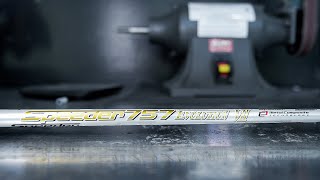 Evaluate shafts in the right full buildChannel: Club Champion
- Review a lower-loft, squared-face fit for a steep cutChannel: Club Champion
 Compare driver consistency across the whole faceChannel: Club Champion
 Forged vs hollow-body irons: feel vs forgivenessChannel: Club Champion
 Use a lower-spin iron for a fast swingChannel: Club Champion
 Match head weight to a high-balance shaftChannel: Club Champion
- Blind-test wedge bounce to reduce preference biasChannel: Club Champion
 Note driver-like flight from a 10.5 mini driverChannel: Club Champion
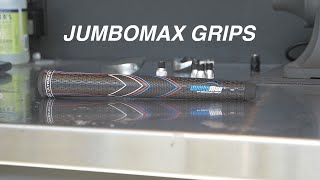 Check face awareness when testing a large gripChannel: Club Champion
 Reserve very stout shafts for high-speed playersChannel: Club Champion
 Consider a lower-spin iron for fast, high-launch playersChannel: Club Champion
 Compare drivers on matched mishit locationsChannel: Club Champion
 Use face slots to retain mishit ball speedChannel: Club Champion
- Use hybrids to create high, soft long shotsChannel: Club Champion
 Tighten the stability cord for a wristy strokeChannel: Mark Immelman
 Use radar-compatible balls for indoor spin dataChannel: Micah Morris
 Fit the driver to the ball, not the ball to the driverChannel: Club Champion
 Fix driver spin before changing the ballChannel: Club Champion
 Prioritize face angle in putter fitting over loftChannel: Club Champion
- Match a stiffer shaft to high speed and aggressive tempoChannel: Club Champion
 Rebalance a driver after cutting the shaft downChannel: Club Champion
 Position driver CG to protect the common missChannel: Club Champion
- Read grip-down results as player-specificChannel: Club Champion
 Distinguish swing weight from static weightChannel: Club Champion
 Balance iron spin against driver distanceChannel: Club Champion
 See how much wrong loft can hurt a fairway woodChannel: Club Champion
- Retest the gamer after the golfer warms upChannel: Club Champion
- Let iron data override the handicap labelChannel: Club Champion
- Compare wedge consistency, not only averagesChannel: Club Champion
 Use misses to test a driver combinationChannel: Club Champion
 Retest drivers to control for test orderChannel: Club Champion
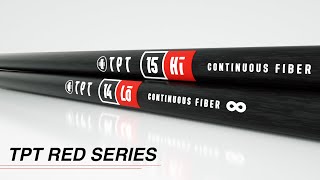 Compare face angle across shaft tip stiffnessChannel: Club Champion
 Use 8-iron shafts in wedges you only hit partial shotsChannel: Club Champion
 De-lofting opens the driver face, adding loft shuts itChannel: PorzakGolf
- Expect grip-down shots to change dynamic lieChannel: Club Champion
 Tighten misses before chasing max distanceChannel: Club Champion
 Space your wedge gaps 12 to 14 yards apartChannel: Club Champion
- Notice how stopping action affected distance controlChannel: Club Champion
 Factor driver spin into headwindsChannel: Micah Morris
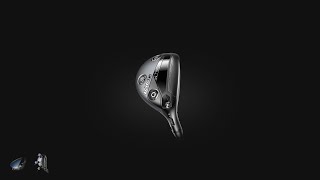 Account for face angle when checking dynamic lieChannel: Club Champion
 Match club length and loft to player deliveryChannel: Club Champion
 Check face-to-path when dynamic loft risesChannel: Club Champion
 Judge shaft stiffness by feel, not by a spec curve chartChannel: Club Champion
 Factor face friction into wedge-spin fittingChannel: Club Champion
 Know stronger-lofted irons are just de-loftedChannel: Mark Immelman