Equipment & Fitting
1167 verified teaching moments with direct channel credit and official-source links.
 Use parallel tip length to dial exact flexChannel: Club Champion
 Fill the long-iron apex dip with a higher-launch ironChannel: Club Champion
 Compare head shapes by preferred lookChannel: Club Champion
 Test whether shaft feel improves face awarenessChannel: Club Champion
 Load your own driver as the test baselineChannel: Club Champion
 Check wedge top-line thickness for CG and launchChannel: Club Champion
 Don't choke down for distance unless contact was poorChannel: Club Champion
 Trust the Glide 3.0's finish in dry and wet conditionsChannel: Club Champion
 Fit the mini driver's shaft before dismissing itChannel: Club Champion
 Compare golf balls with strike quality in viewChannel: Bryson DeChambeau
 He preferred a shaft that felt easier to time with his tempoChannel: Club Champion
 Pair forward CG with corrective face curvatureChannel: Club Champion
 Replace a hard-to-hit 3-wood with a 5-woodChannel: Danny Maude
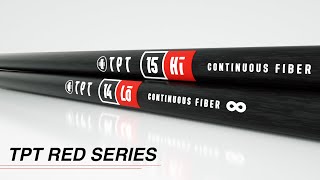 Match strike before attributing loft to the shaftChannel: Club Champion
 Choose a pistol grip for blade feedbackChannel: Club Champion
 Test wedge turf interaction from roughChannel: Club Champion
 Account for a higher shaft at impactChannel: PorzakGolf
 Compare shaft feel when launch numbers matchChannel: Club Champion
 Prefer a one-way driver missChannel: Club Champion
 Use hybrid head design for launch and forgivenessChannel: Club Champion
 Once matched to spec, expect only subtle brand differencesChannel: Club Champion
 Heavier driver head weight helps face controlChannel: Club Champion
 Look for enough putter loft to clear the ball's dentChannel: Club Champion
 Check putter shape and ball-pickup utilityChannel: Club Champion
 Get fit once your swing is establishedChannel: Grant Horvat Golf
 Test a related shaft profile in the fairway woodChannel: Club Champion
- Gap wedges in 4-degree steps for ~10-12 yard spacingChannel: Club Champion
- Seek lower launch, higher spin, and tight dispersionChannel: Club Champion
 Fit the ball from putter through driverChannel: Club Champion
 Why a high-MOI driver resists twisting on the strikeChannel: Club Champion
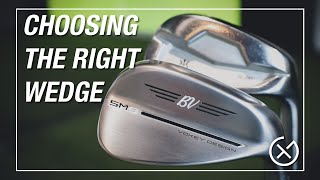
 Find access to multiple wedges and test every bounce optionChannel: Club Champion
 Let fitting performance override the model you wantChannel: Club Champion
- High-ball hitters can strengthen driver loftChannel: Club Champion
 Treat near-identical iron numbers as equivalentChannel: Club Champion
 Optimize each driver instead of matching settingsChannel: Club Champion
- Fit beyond the stock wedge shaftChannel: Club Champion
- Keep the shaft when its numbers are already at the limitChannel: Club Champion
- Do not judge iron flight from loft aloneChannel: Club Champion
 Gap wedges by your comfortable swing yardageChannel: Club Champion
 Get your clubs' lofts and lies checked every couple monthsChannel: PorzakGolf
 Target about 7 seconds of hang time per clubChannel: Club Champion
 Judge iron flight beyond the stamped loftChannel: Club Champion
 Fit a broomstick putter maximum upright, size for comfortChannel: Club Champion
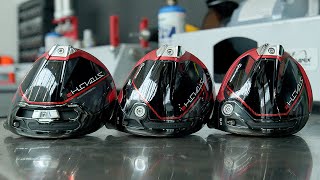 Judge miss hits by spin and ball-speed deviationChannel: Club Champion
- Test wedge rollout in wind and first-cut roughChannel: Bryson DeChambeau
 Compare MOI and POI when choosing a driverChannel: Club Champion
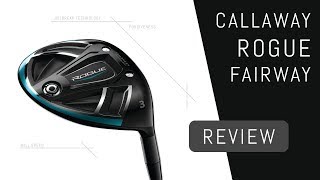 Fit a softer-tip shaft to a fairway woodChannel: Club Champion
 Judge wedge wear by shot dispersion, not averagesChannel: Club Champion
 Don't let handicap alone pick your ironsChannel: Club Champion
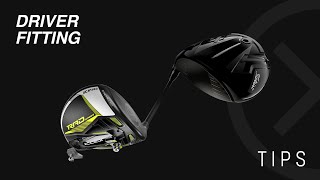 Fit the driver to your golf ball, not the reverseChannel: Club Champion
 Mallet vs blade on off-center strikesChannel: Club Champion
- Judge wedges by design, not by forged-versus-cast aloneChannel: Club Champion
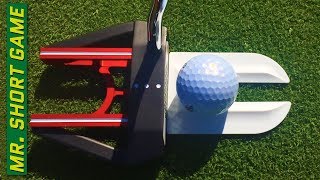 Use an alignment aid for a square putter faceChannel: MrShortGame Golf
 Fit the putter to your setup, not yourself to the putterChannel: PorzakGolf
 Retest shafts in each candidate iron headChannel: Micah Morris
 Fit by removing factors that work against youChannel: Club Champion
 Trust this tested graphite shaft not to balloon flightChannel: Club Champion
 Account for strike height in iron comparisonsChannel: Club Champion
 Expect less bulge-and-roll benefit at average speedChannel: Club Champion
 Review a fitting that exposed a hindering driverChannel: Club Champion
 Protect contact when adjusting lie angleChannel: Club Champion
 Use a stable shaft with tip kick to flight a 3-woodChannel: Club Champion
 Compare consistency from spin through ball speedChannel: Club Champion
 Fit lie angle per club, not to match the setChannel: Club Champion
 Try firmer-handle shafts for an over-the-top pathChannel: Club Champion
 Don't use the same wedge grind for both your 56 and 60Channel: Club Champion
 Try a high-launch shaft for slower swing speedsChannel: Club Champion
 Test a slightly lower-loft duplicate driverChannel: Club Champion
 Match the M grind to firmer, neutral conditionsChannel: Club Champion
 Fit ball spin across irons and wedgesChannel: Club Champion
- Avoid masking swing patterns with club biasChannel: Club Champion
 Notice how shaft profiles can change across weightsChannel: Club Champion
- Consider a low-launch mini driver for ballooning flightChannel: Club Champion
 Consider 5X for more late-round freedomChannel: Club Champion
 Expect peak height to dip in the long ironsChannel: Club Champion
- Match your golf ball to your top priority, then testChannel: Club Champion
 Pair a blade look with added forgivenessChannel: GOLF's Subpar
 Match a smooth loader with a stable active shaftChannel: Club Champion
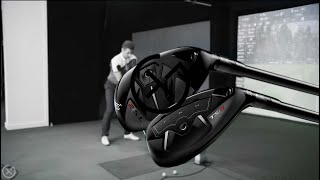 Adjust loft and retest the spin windowChannel: Club Champion
 Hold the club in the fingers, not the palmsChannel: SagutoGolf
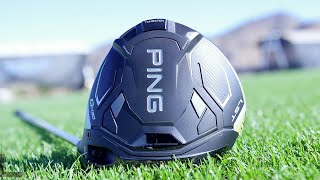 Lighter driver head can cost you ball speedChannel: Club Champion
 Fit low-spin balls by wedge spin abilityChannel: Club Champion
 Prioritize materials in sub-50-gram shaftsChannel: Club Champion
- Tee the driver down when you grip down on itChannel: Club Champion
 Use turf-like surfaces for indoor wedge fittingChannel: Club Champion
 Account for face twisting on off-center puttsChannel: Club Champion
 Test different putter necks during fittingChannel: Club Champion
- Put the heaviest weight in the accuracy portChannel: Club Champion
 Check peak height across the wedge setChannel: Club Champion
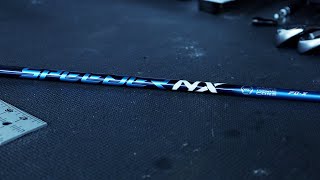 Consider how shaft-feel preferences track swing speedChannel: Club Champion
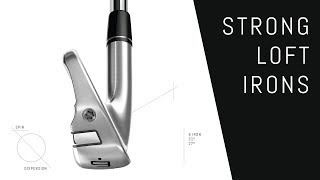 Understand the softer-tip shaft response to low-spin headsChannel: Club Champion
 Combo iron models to match each iron's jobChannel: Club Champion
 Fit the club to your delivery, not the static loftChannel: Club Champion
 Fit a mini driver to a high, shallow deliveryChannel: Club Champion
 Use a 21-degree 7-wood for slower speeds and roughChannel: Club Champion
 Move driver weight back to raise MOIChannel: Club Champion
 Fit shaft weight first, then bend profileChannel: Club Champion
 Use feel to choose between similar golf ballsChannel: Club Champion
- Don't choose a wedge by its bounce numberChannel: Club Champion
- Use height and spin to stop iron shotsChannel: Micah Morris