Equipment & Fitting
1167 verified teaching moments with direct channel credit and official-source links.
 Add bounce to bring wedge trajectory downChannel: Club Champion
 Evaluate irons with stopping-power metricsChannel: Club Champion
 Keep a set pitching and gap wedge for average golfersChannel: Club Champion
 Fit iron launch and spin as separate needsChannel: Club Champion
 Consider a cavity-back gap wedge for mishit forgivenessChannel: Club Champion
 Judge driver launch by CG, not the stamped loftChannel: Club Champion
 Expect flatter lie angles on Japanese ironsChannel: Club Champion
 Check both push-spin and pull-spin missesChannel: Club Champion
 Fit the player's bad-day swing patternsChannel: Club Champion
 Prefer the rotation rate that is easier to controlChannel: Club Champion
 Fit head weight by whether you can feel the clubheadChannel: Club Champion
 Move GTS2 weight back for launch and stabilityChannel: Club Champion
 Bring on-course strokes-gained data to a fittingChannel: Club Champion
 Titanium core spreads iron head mass outwardChannel: Club Champion
 Toe up at address forces hands up and early extensionChannel: Grant Horvat Golf
 Recognize swing-path responses to ill-fit gearChannel: Club Champion
 Test golf balls yourself since compression varies by playerChannel: Club Champion
 Map carry gaps before adding another hybridChannel: Club Champion
 Compare center, toe, and heel iron strikesChannel: Grant Horvat Golf
 Treat each half-inch gripped down as one club shorterChannel: Club Champion
 Don't reject a club on looks before hitting itChannel: Club Champion
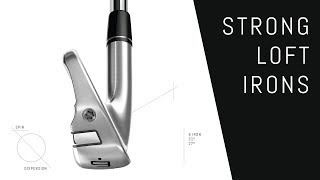 Fit shaft, loft, and lie to stabilize carryChannel: Club Champion
 Use a tip-stiff shaft to fight a hookChannel: Club Champion
 Pick a rounded-sole wedge off soft, sandy liesChannel: Dan Grieve
 Use tempo to narrow shaft weightChannel: Grant Horvat Golf
 Don't read shaft numbers off a bad ball flightChannel: Club Champion
 Choose Apex for forged feel and added forgivenessChannel: Club Champion
- Carry more spin than you need, you can take it offChannel: Club Champion
 Get fitted for grips, not just your clubsChannel: Bryson DeChambeau
 Fit tour-derived club designs with shaft, weight, and loftChannel: Club Champion
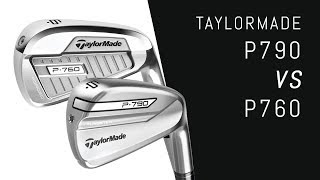 Account for face rotation when comparing loftChannel: Club Champion
 Check high wedge strikes when spin dropsChannel: Club Champion
 Change eye position to alter perceived aimChannel: Club Champion
 Try a thicker grip to quiet your putting handsChannel: Golf with Aimee
 Test multiple putter lengths and measure what changesChannel: Club Champion
 Invest in a dedicated wedge for cleaner chip contactChannel: Golf with Aimee
 Go slightly heavier to raise a struggling strikeChannel: Club Champion
 Use descent angle to evaluate driver flightChannel: Club Champion
 Isolate shaft changes with one clubheadChannel: Club Champion
 Consider a low-spin driver for high spinChannel: Club Champion
 Standardize loft before comparing ironsChannel: Club Champion
 Driver smash factor benchmarks: 1.50 max, 1.48 tourChannel: Club Champion
 Use a firm-core ball to create more wedge spinChannel: Club Champion
- Measure delivery changes from a shorter putterChannel: Club Champion
 Align face milling with an open-face pathChannel: Club Champion
 Stabilize ball flight before optimizing distanceChannel: Club Champion
- Match a lower-spin ball to the Hot Metal high-launch headChannel: Club Champion
- Separate friction-driven spin from launchChannel: Club Champion
 Look for a flat, driven wedge flight, not high and floatyChannel: Club Champion
 Avoid the 60 wedge off an upslopeChannel: Dan Grieve
 Check taper rate if you're sensitive to grip sizeChannel: Club Champion
 Compare 65-66g and 75-77g driver shaftsChannel: Micah Morris
 Test beyond standard driver-fitting combinationsChannel: Club Champion
 More delivered loft made this driver more viable for himChannel: Club Champion
- Heavier shaft plays stiffer and lowers spin and flightChannel: Grant Horvat Golf
 Judge putter face control by repeatabilityChannel: Club Champion
 Who high-MOI drivers actually helpChannel: Club Champion
 Use a Titleist weight kit to expand launch-tuning optionsChannel: Club Champion
 Play more bounce in soft turf, less on tight firm liesChannel: Micah Morris
 Add loft to keep a draw carryingChannel: Club Champion
 Open a higher-loft hybrid to tune flightChannel: Club Champion
 Compare shaft timing through path and strike patternChannel: Club Champion
- Match spin target to launch angleChannel: Club Champion
 Blind-test forward and back driver weightingChannel: Club Champion
 Judge spin rate by landing angle, not the numberChannel: Micah Morris
 Review a fitting that raised launch and lowered spinChannel: Club Champion
 Check wet-wedge distance retentionChannel: Club Champion
 Check a new grip is square to the clubfaceChannel: Dan Grieve
- Use stout iron shafts for speed and dispersionChannel: Club Champion
 Choose the C or S grind for tight turfChannel: Club Champion
- Map a fairway wood between driver and long ironChannel: Club Champion
- Fit for predictable strike before head settingsChannel: Club Champion
 Test putter balance across your forefingersChannel: Mark Immelman
 Use course-speed swings during a fittingChannel: Micah Morris
 Fit a golf ball from the green back to the teeChannel: Club Champion
- Match loft and lie before comparing ironsChannel: Club Champion
- Use lie angle to manage the driver's start lineChannel: Club Champion
- Find where trajectory breaks through the iron setChannel: Club Champion
 Torque is a feel, not what sends the ball offlineChannel: Club Champion
 Use perimeter weighting to increase putter forgivenessChannel: Club Champion
 Find your putter length with the ball-drop eye testChannel: Club Champion
- Consider a lower-spin ball for iron distanceChannel: Club Champion
- Choose a wedge by its job, not a blanket grindChannel: Club Champion
 Favor a sand wedge as the friendlier scoring clubChannel: Micah Morris
- Check how a wide iron sole manages turf dragChannel: Club Champion
- Check grip thickness by your fingers on the palmChannel: Dan Grieve
 Gap a set by its club-to-club speed jumpsChannel: Club Champion
- Don't over-weight your shaft if you load it smoothlyChannel: Grant Horvat Golf
 Match sole width and bounce to your attack angleChannel: Club Champion
 Value driver forgiveness at similar distanceChannel: Club Champion
- Use a wide sole in heavy bunkers and soft turfChannel: Club Champion
 Avoid a very low leading edge in soft turfChannel: Club Champion
 Look for marginal gains in regular fittingsChannel: Club Champion
 Expect similar results from different shafts, same swingChannel: Club Champion
 Effective bounce depends on sole widthChannel: Club Champion
 Blind-test heads within manufacturing toleranceChannel: Club Champion
 Fit your golf ball starting from your wedgesChannel: Club Champion
- Fit the ball for directional and height controlChannel: Club Champion
 Consider how better players use combo iron sets for gappingChannel: Club Champion
- Get lie angle right to clean up contact and speedChannel: Club Champion