Equipment & Fitting
1167 verified teaching moments with direct channel credit and official-source links.
 Avoid chasing a lower-lofted driverChannel: Club Champion
 Compare shaft droop under matched test conditionsChannel: Club Champion
 Check partial-wedge spin before assuming a ball's categoryChannel: Club Champion
 Fit driver face geometry to strike heightChannel: Bryson DeChambeau
 Keep grooves under the ball on open-face strikesChannel: Club Champion
 Value extra wedge spin most on partial shotsChannel: Club Champion
 Adjust lie angle when shortening a clubChannel: Club Champion
 Balance iron speed with usable spinChannel: Club Champion
 Slower swingers: club speed gains can beat ball speed lossChannel: Club Champion
 Fit a radial face to an upward putting strokeChannel: Club Champion
 Test whether a wedge covers the missing rangeChannel: gm__golf
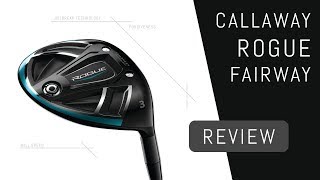 Consider the Sub-Zero head for a little less spinChannel: Club Champion
 Lower loft when excess spin costs ball speedChannel: Bryson DeChambeau
 Replace hard-to-hit long irons with hybridsChannel: Golf with Aimee
 Use shaft-to-toe distance to control putter rotationChannel: Club Champion
 Check the golf ball before blaming the clubChannel: Club Champion
 Make the swing change before the equipment changeChannel: Club Champion
 Account for rental-shaft distance changesChannel: Bryson DeChambeau
 Pick Srixon for more spin and a softer flightChannel: Club Champion
 Order modular irons to the correct spec up frontChannel: Club Champion
 Avoid too little bounce to stop digging and fat shotsChannel: Mark Immelman
 Consider P UDI for a flat, penetrating flightChannel: Club Champion
- Match putter loft/face tech to angle of attackChannel: Club Champion
 Add head weight behind a stable strikeChannel: Club Champion
 Match ball spin to your swing: low-spin for over-spinnersChannel: Club Champion
- Match shaft torque to your swing speedChannel: Mark Immelman
 Blind a shaft test to reduce expectation biasChannel: Club Champion
 Separate an overlapping grip from a baseball gripChannel: Todd Graves
 Compare golf balls by wedges and irons, not just driverChannel: Club Champion
 Prioritize dry-to-wet consistency in wedge testsChannel: Club Champion
 Measure swing weight before combining componentsChannel: Club Champion
 Use strike feedback to locate mishitsChannel: Club Champion
- Pair strong-lofted, fast irons with a spin-preserving ballChannel: Club Champion
- Understand how soft golf balls jump off irons with low spinChannel: Club Champion
 Consider utility irons instead of hybridsChannel: GOLF's Subpar
 Consider a 13.5-degree fairway wood for 5-wood-like launchChannel: Club Champion
 Notice how one player compensated for low loftChannel: Club Champion
 Match wedge CG location to loftChannel: Club Champion
 Tell your wedge fitter your usual turf conditionsChannel: Club Champion
 Use enough bounce to keep wedge strikes lowChannel: Club Champion
 Play forgiving long irons over bladesChannel: Grant Horvat Golf
 Move wedge mass toward high-toe strikesChannel: Club Champion
- Test clubs in a fitting instead of buying stockChannel: Club Champion
 Consider which side sees putts bestChannel: Bryson DeChambeau
- Reassess wedges around Titleist's 75-round groove markChannel: Club Champion
 Match the iron model to the desired shot shapeChannel: Club Champion
 Match wedge sole shape to square and open shotsChannel: Club Champion
 Test a putter grip with the intended headChannel: Club Champion
- Clean range balls before wedge practiceChannel: Mark Immelman
 Why long irons magnify face-to-path errorsChannel: Club Champion
 Expect delivered loft to make stamped bounce misleadingChannel: Club Champion
- Include the golf ball in a fittingChannel: Club Champion
 Understand how a loft sleeve lowers delivered loftChannel: Club Champion
 Weaken an iron loft to close a large gapChannel: Club Champion
 Compare iron lie angle when ball flight changesChannel: gm__golf
 Reported driver weighting curbs a high-right missChannel: Club Champion
- Blame ball choice, not just loft, for knuckleball ironsChannel: Club Champion
 Tune loft and lie independentlyChannel: Club Champion
 Fit for shot windows, not better numbers aloneChannel: Club Champion
- Judge iron-shaft timing by start-line consistencyChannel: Club Champion
 Aim for a putter launch of one to one and a halfChannel: Club Champion
 Tune an adjustable hybrid after on-course testingChannel: Club Champion
 Value wet-spin retention when shots must stopChannel: Club Champion
 Target driver dynamic loft 17-19, angle of attack 6-7Channel: Club Champion
- Expect little sole-grind difference on full wedge shotsChannel: Club Champion
 Maybe worth trading a couple yards for real savingsChannel: Club Champion
 Check hand tension when choosing putter sizeChannel: Grant Horvat Golf
 Strike the driver slightly above center for launch and spinChannel: Club Champion
 Estimate swing weight at home with a kitchen scaleChannel: Club Champion
 Test golf balls after a loft and lie fittingChannel: Club Champion
 Use the M-grind as your versatile wedgeChannel: Club Champion
 Judge iron offset by the resulting ball flightChannel: Club Champion
 Lie angle matters more as loft increasesChannel: Club Champion
 Test a shaft about 10 grams lighterChannel: gm__golf
 Try a lighter, softer shaft if you drive wellChannel: Club Champion
 Compare driver dispersion before choosingChannel: Club Champion
 Test adjustable settings against strike tendenciesChannel: Club Champion
 Use a sole sticker to read wedge wear without dynamic dataChannel: Club Champion
 Consider a nine-degree loft for spin reductionChannel: Club Champion
 Faster ball speed comes from the right shaft-head comboChannel: Club Champion
 Why a 5-hybrid rarely replaces a 5-ironChannel: Club Champion
 Good fitting raises your floor, not your ceilingChannel: Club Champion
 Retest at a weaker retro spec to isolate loft's effectChannel: Club Champion
 Lean the shaft forward to reduce putter launchChannel: Club Champion
- Expect finish wear and seam rust on sandy-subsoil coursesChannel: Club Champion
 Use urethane when wedge spin is limitedChannel: Club Champion
 Pick a hybrid over a driving iron to escape roughChannel: Club Champion
 Separate pre-impact stability from post-impact feelChannel: Club Champion
 Match grip size and texture for consistencyChannel: Club Champion
 Prioritize a tight putter ball-speed rangeChannel: Club Champion
 Choose an iron by the benefits your game needsChannel: Club Champion
- Match a lower-flight hybrid to a high flightChannel: Club Champion
- Target a 138 smash factor with your six ironChannel: Club Champion
 Match small blades to consistent ball strikingChannel: Club Champion
 Judge a club by its misses, not its best shotsChannel: Club Champion
- Test golf balls from wedge to driverChannel: Club Champion
- Test shafts before iron headsChannel: Club Champion
 Use adjustable draw bias for a persistent sliceChannel: Club Champion
 Look for toe weighting that raises head MOIChannel: Club Champion
 Use wet-wedge consistency as a fitting tiebreakerChannel: Club Champion