Equipment & Fitting
1167 verified teaching moments with direct channel credit and official-source links.
 Adjust putter lie to your hand heightChannel: Club Champion
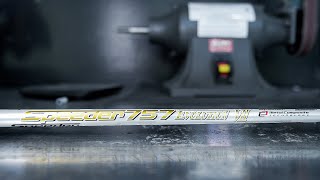 Match a shaft to your tempo and hand-speed feelChannel: Club Champion
 Check swing weight after fitting a bigger gripChannel: Mark Immelman
 Compare driver speed on centered and missed strikesChannel: Club Champion
 Use a lower half-groove for thin partial wedgesChannel: Club Champion
 Consider perimeter weighting to help heel-side missesChannel: Club Champion
 Fit wedge feel to regulate partial-shot distanceChannel: Club Champion
 Blades curve the ball easier than high-MOI ironsChannel: Club Champion
 Baseline wedge yardages before fitting the soleChannel: Club Champion
 Separate head forgiveness from shaft timingChannel: Club Champion
 He attributed a shorter iron carry to loft, not his swingChannel: Club Champion
 Choose a lower-spin ball if you add loft and spinChannel: Club Champion
 Match cavity-iron forgiveness to your strikeChannel: Club Champion
- Recognize a rounded sole's fast turf-exit intentChannel: Club Champion
 Try a high-lofted hybrid for more heightChannel: Club Champion
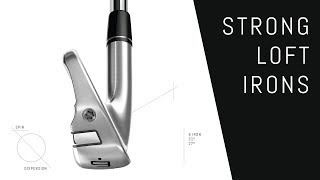 Don't buy strong-loft irons off the shelf without a fittingChannel: Club Champion
 Fit putter lie so the ball sits below your eyesChannel: Todd Graves
 Get your clubs readjusted every yearChannel: Grant Horvat Golf
 Swap a 3-wood for a 5- or 7-wood if you lack speedChannel: Danny Maude
 Use a higher-spin ball to steepen a low ball flightChannel: Club Champion
 Use a relieved three-part sole for bunker versatilityChannel: Club Champion
 Look for toe-side mass that raises head MOIChannel: Club Champion
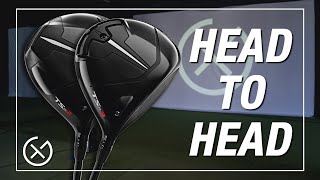 Use a weight-track driver for a wandering strikeChannel: Club Champion
 Set realistic expectations for driver fitting gainsChannel: Club Champion
 Treat counterbalancing as player-specificChannel: Club Champion
 Use fresh premium equipment for pitch spinChannel: CraigHansonGolf
 Know what forgiveness really means in an ironChannel: Club Champion
 Fit clubs for flight and face-to-pathChannel: Club Champion
 Go upright on lie to correct a rightward ball flightChannel: Club Champion
 Check spin consistency on a heel missChannel: Club Champion
 Normalize iron specs before comparing headsChannel: Club Champion
- Judge game improvement irons by descent, peak heightChannel: Club Champion
 Choose wedge bounce by turf firmness and shaft leanChannel: Club Champion
 Identify wedges by their typical loftsChannel: Golf with Aimee
 Understand why heavier putter heads need a stabler shaftChannel: Club Champion
 Bridge shaft weights between hybrid and ironChannel: Club Champion
 Flatten the lie angle to offset a left-crossing curveChannel: Club Champion
 Try toe weight to stabilize the driver faceChannel: Club Champion
 Fit every adjustable part of the putterChannel: Club Champion
 Add a stability shaft to resist putter twistingChannel: Club Champion
 Suspect the golf ball when a club feels offChannel: Club Champion
 Investigate test differences that recurChannel: Club Champion
 Do not equate more ball deformation with more speedChannel: Club Champion
 Choose 54 degrees to keep flight downChannel: Grant Horvat Golf
 Match shaft weight to tempo, transition and buildChannel: PorzakGolf
 Consider how turf interaction led one golfer to bladesChannel: Club Champion
 Add driver loft to attack the ball instead of hanging backChannel: PorzakGolf
 Get fit to make your slice lessons easier to applyChannel: Club Champion
 Evaluate shaft stability on off-center puttsChannel: Micah Morris
 Lock the putter to your lead armChannel: Todd Graves
 Choose putter markings for your alignment needsChannel: Club Champion
 Understand how driver curvature offsets toe-strike spinChannel: Club Champion
- Use descent angle as well as spin to stop wedgesChannel: Club Champion
- Use four-way camber for versatile face positionsChannel: Club Champion
- Don't fit yourself to a ball off the driverChannel: Club Champion
- Match the retrofit route to the putter neckChannel: Club Champion
 Avoid duplicating a five-wood's fairway distanceChannel: Club Champion
 Use a stiffer hybrid shaft if whippy shafts hookChannel: Grant Horvat Golf
 Move driver weight forward to lower launch and spinChannel: Micah Morris
 Match sole width to the bounce you wantChannel: Club Champion
 Use dispersion as the shaft tiebreakerChannel: Club Champion
 Fit the club to your swing, not the brandChannel: Club Champion
 Use more driver spin for forced carriesChannel: Club Champion
 Treat putter-length effects as golfer-specificChannel: Club Champion
 Check neighboring irons before adjusting an outlierChannel: Club Champion
 Pair very low driver spin with enough heightChannel: Club Champion
 Match this player's low-spin irons with a high-spin ballChannel: Club Champion
 Match wedge bounce to bunker depthChannel: SagutoGolf
 Benchmark golf-ball tests against a consistent ballChannel: Club Champion
 Long irons win on control, lower flight, and windChannel: Golf with Aimee
 Expect higher swing weight to steady gripping downChannel: Club Champion
 Treat tiny ball-test differences as provisionalChannel: Club Champion
- Prioritize your ball fit at the wedgesChannel: Club Champion
- Combo T150/T200/T350 without managing spin model to modelChannel: Club Champion
 Pick a driver shaft by feel, not just the numbersChannel: Club Champion
 Regulate speed with a low-resistance bunker wedgeChannel: Club Champion
 Expect higher-toe mass to shift wedge CG toe-wardChannel: Club Champion
 Know why low strikes spin and rob driver distanceChannel: Club Champion
 Consider the claimed forgiveness from a titanium insertChannel: Club Champion
 Experiment with where you draw the ball's aim lineChannel: Micah Morris
 Account for strike location before changing driver spinChannel: Club Champion
 Isolate shaft before changing headsChannel: Club Champion
- Weigh feel against forgiveness in mallet vs blade choiceChannel: Club Champion
 Watch shaft lean and deloft on bottom-groove strikesChannel: Club Champion
- Test the i59 a couple grooves lowChannel: Club Champion
 Control delivery and launch when testing golf ballsChannel: Club Champion
- Match grip thickness to your hand sizeChannel: Golf with Aimee
 Small head weight shifts swing weight and flightChannel: Club Champion
- Lie angle matters less as loft dropsChannel: Club Champion
 Fit your clubs before trusting familiar feelsChannel: Bryson DeChambeau
 Don't over-loft a driver if you add loft at impactChannel: Club Champion
 Compare wedge performance against its costChannel: Club Champion
 Add driver loft to stop using low loft as a crutchChannel: Club Champion
- Know a light stiff shaft can play softer than stiffChannel: Mark Immelman
 Check alignment when a stable putter strugglesChannel: Club Champion
 Use graphite to pair low weight with stiffnessChannel: Club Champion
- Aim for a 45-48 degree landing angle with a 6 ironChannel: Club Champion
 Match wedge bounce to turf firmnessChannel: GOLF's Subpar
 A toe-hang putter falls open, not shut like a doorChannel: Club Champion
 Too little wedge bounce can cause digging and lost spinChannel: Club Champion