Three-Putt
52 verified teaching moments with direct channel credit and official-source links.
 Play the three-holes-in-a-row speed gameChannel: PorzakGolf
 Sort putts into two-putt-speed vs. free-rollChannel: PorzakGolf
 Pick two aim spots: one for line, one for speedChannel: PorzakGolf
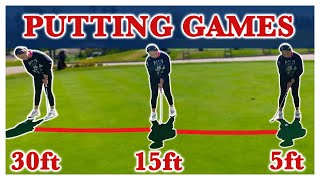 Run a 10-20-30-foot speed ladderChannel: PorzakGolf
 Fit putter launch to the green surfaceChannel: Club Champion
 Miss while still trying to make itChannel: Mark Immelman
 Keep the putter in frontChannel: Dan Grieve
 Lag long putts to within a two-foot circleChannel: Grant Horvat Golf
 Aim putts at a three-foot circle around the holeChannel: PorzakGolf
 Play the guessing game to build putting feelChannel: Danny Maude
 Plan your second putt before every long puttChannel: Golf with Aimee
 Leave the uphill puttChannel: Grant Horvat Golf
 Trace mid-range three-putts to speed controlChannel: Club Champion
 Look at the hole during your putting practice strokeChannel: Dan Grieve
 Die a fast slope putt even when you need itChannel: Bryson DeChambeau
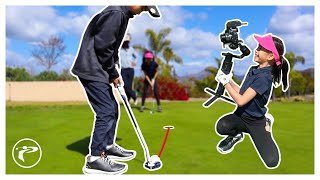 Play four holes without a three-puttChannel: PorzakGolf
 Set a stroke-size standard by measuring your footstepsChannel: Golf with Aimee
 Miss your putts on the high side of the lineChannel: PorzakGolf
 Pace out putts every three feet to calibrate strokeChannel: Dan Grieve
- Lag long putts close instead of trying to make themChannel: PorzakGolf
- Read greens from the low side looking uphillChannel: PorzakGolf
 Lag the putt when protecting a leadChannel: Grant Horvat Golf
 Creep ridge putts over the topChannel: GoodGood
 Lag drill: hole 3 of 10 from 50 feet, rest into a zoneChannel: Golf with Aimee
 Build putting control with daily repetitionChannel: Golf with Aimee
- Outside 10 feet, make speed the priorityChannel: PorzakGolf
 Lock your start line, then think only about speedChannel: Mark Immelman
 On left-to-right putts favor the high side and start lineChannel: Dan Grieve
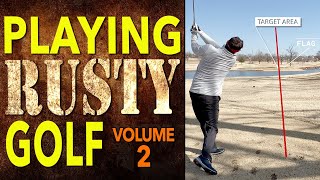 Spot-putt big breakers to a spot, let the green carry itChannel: Todd Graves
- Read long putts in two halves, then combineChannel: PorzakGolf
- Calibrate a 30-foot putting strokeChannel: Golf with Aimee
 Read a long putt in sections, not as one curveChannel: Dan Grieve
- Read long putts in increments, work back from holeChannel: PorzakGolf
- Read breaking putts with intermediary spots, dot to dotChannel: Dan Grieve
- Distance control is feel, not telling yourself softerChannel: Danny Maude
 Control putt distance with backswing lengthChannel: SagutoGolf
- Set stroke-size standards for paced distancesChannel: Golf with Aimee
 Sequence development from penalties to scoringChannel: Mark Immelman
 Use new weaknesses as the next practice targetChannel: SagutoGolf
 Aim long putts into a 4-foot circle, not the holeChannel: Grant Horvat Golf
 Practice putting across about five varied distancesChannel: Golf with Aimee
 Practice the putts that save rounds: 10-15 footersChannel: Bryson DeChambeau
 Visualize the full curve of a breaking puttChannel: Dan Grieve
 Read putt speed by watching the roll, then do the mathChannel: Bryson DeChambeau
- Visualize a six-foot-wide hole for speedChannel: PorzakGolf
 Play an 18-hole under-par putting gameChannel: MrShortGame Golf
- Judge downhill speed by time, not distanceChannel: Mark Immelman
- Aim long putts to finish just past the holeChannel: Golf with Aimee
- Practice long putts into a half circle past the holeChannel: Golf with Aimee
 Cap self-inflicted brain dead bogeysChannel: Mark Immelman
 Prioritize speed control to avoid three-puttsChannel: Mark Immelman
- Improving your full swing exposes short-game weaknessesChannel: SagutoGolf